How to Write an Aristotelian Tragedy 101
Antigone, by Will Frank
Published
Aug 5, 2025
Topic
Essays
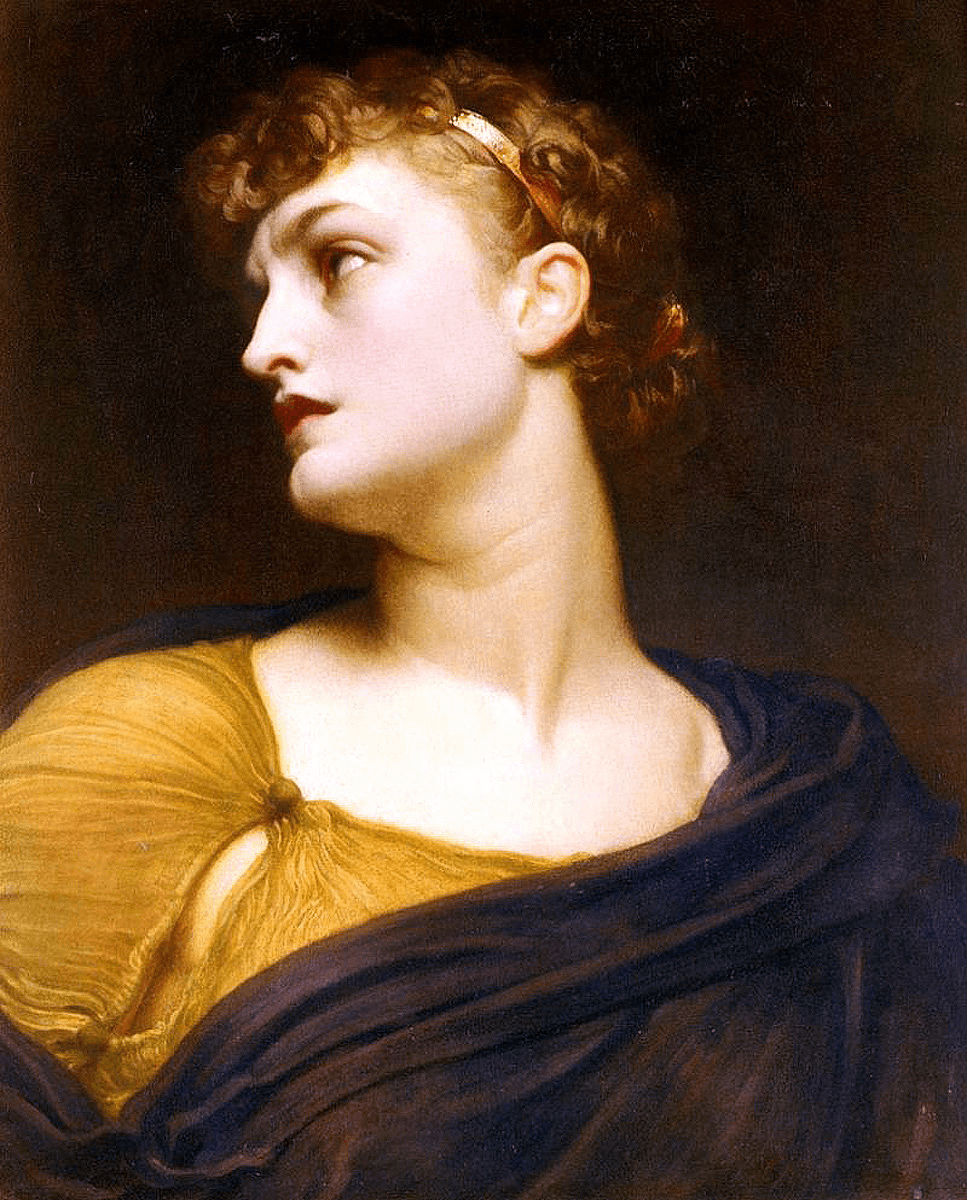
Aristotelian tragedies have enthralled readers and viewers for over two millennia because they induce catharses in their audiences, allowing them to purge their feelings of pity, helplessness, and fear. In Aristotle’s mold, the tragic hero takes initiative to fulfill his moral obligation to family but commits a tragic error (hamartia) in the process. All goes awry in the peripeteia, the reversal of fortune, before the tragic hero’s recognition of his mistake, the anagnorisis. In Antigone, Sophocles splits Aristotle’s formula into two: both Antigone and Creon experience elements of an Aristotelian tragedy, but neither character completes the arc. Antigone is a tragic hero who evokes pity in her audience, but her real tragedy – being born into a cursed family – precedes the timeline of the play and her decision to bury her brother is deliberate, not a tragic error with unintended consequences. Meanwhile, Creon commits a tragic error in decreeing Antigone’s death and quickly faces the consequences for his actions; that said, it is difficult to read Creon as an Aristotelian hero because of his hubris and tyranny and because the play, ultimately, is titled Antigone.
Antigone is a tragic hero, but her tragedy does not conform to Aristotle’s mold. In the opening scene of the play, Ismene questions Antigone’s plan to bury their brother, Polyneices, in light of Creon’s decree to stone to death anyone who does. Antigone retorts: “Be what you want to; but that man shall / I bury. For me, the doer, death is best. / Loving, I shall lie with him, yes, with my loved one, / when I have dared the crime of piety…/ You may see fit / to keep from honor what the gods have honored” (72-77). By giving herself the appositive title of the “doer,” Antigone asserts agency over her actions. The verbs “shall bury,” “shall lie,” and “have dared” add a sense of certainty and finality to her plan; in her mind, Polyneices’ burial is a foregone conclusion. Antigone then refers to her actions as a “crime of piety,” oxymoronoically emphasizes the distinction between how the gods and state will perceive her deeds. Her sarcasm extends into her final assertion (“you may see fit…”) in the form of praeteritio: Antigone shames Ismene for depriving their brother of the honor he deserves without direct castigation. Antigone’s rebuke of Ismene underscores her conviction in the righteousness of her actions; her decision may be tragic, but it is far from a hamartia. Meanwhile, Antigone’s peripeteia comes long before the opening scene of Sophocles’ play. When Creon asks her why she dares to overstep his bounds, Antigone proclaims: “If I die / before my time, I say it is a gain. / Who lives in sorrows as many as are mine / how shall he not be glad to gain his death?” (461-464). Antigone reminds the audience of her past and present sufferings with a rhetorical question and declares that Hades would be a welcome relief, even a gain, for her. Interestingly, Antigone refers to herself with the generic masculine pronoun “he,” adding a layer of defiance to her speech; she disobeys both Creon’s edict and traditional gender roles. She has already suffered so much that she does not care what Creon or the Thebans think of her, only how the Gods judge her actions. Finally, Antigone has no anagnorisis. In her final address of the play, Antigone questions where she went wrong, but no gods or mortals intervene to reveal a tragic error, a plot point key to Aristotelian tragedies. No one intervenes because Antigone has no error to be uncovered – she is valiant and devout. Thus, if Sophocles intends for his play to be read as Antigone’s tragedy alone, it is far from Aristotle’s mold.
Though Antigone is the eponymous protagonist, Creon experiences all the elements of an Aristotelian tragedy; however, his hubris and tyranny cast doubt on whether he is a hero deserving of the audience’s pity. Creon’s opening lines in the play establish his role as an unsympathetic tyrant. His first edict, which denies proper burial rights to Polyneices, is impractical, frowned on by his constituents, and ultimately constitutes his hamartia. The rest of Creon’s plot follows Aristotle’s framework closely as well. After Creon learns of his error from Tiresias, the blind prophet, he finally swallows his pride, but his peripeteia arrives quickly, and Antigone, Haemon, and Eurydice kill themselves within minutes. Wracked with guilt and sorrow, he accepts responsibility for his actions and prays for a quick death. While Creon evokes some pity in the audience, he is not a tragic hero because he lacks the personal qualities conducive to heroism. Aristotle writes in the Poetics that the tragic hero’s hamartia must be committed as a result of fate, not out of vice. The precipice of Creon’s downfall is a vice, his hubris, and the audience has no perception of divine intervention. When Haemon confronts him about his inflexibility, Creon rebukes his well-meaning son in a rant of stichomythia: “Your mind is poisoned. Weaker than a woman!.../ Don’t flatter me with “father,” you woman’s slave” (745-756). Creon is a tyrant, refusing to accept counsel and lashing out at those who try to help him. He demeans Haemon with sexist tropes, framing the world as a clash between men and women, whom he sees as weak, submissive, and incapable. His focus on gender roles and power dynamics suggests that at the root of Creon’s overreaction is his fear of being “beaten by a woman” and appearing unmanly (677). Creon’s insecurity and excessive pride cloud his judgment, and despite the calls of Haemon, he refuses to rescind his edict that Antigone must die. Coupled with his late appearance in the tragedy and the fact that Sophocles titled his work Antigone, Creon’s insolence and tyranny convey to the audience that he does not deserve to be considered a tragic hero.
Taken together, Antigone and Creon’s plot arcs fulfill all the structural elements of an Aritsotelian tragedy, making the audience feel pity, helplessness, and fear. At the same time, Creon and Antigone fuel each other’s tragedies: Antigone’s determination and defiance feed Creon’s insecurities, and Creon’s poor judgment forces Antigone to assume the role of tragic hero. In the chaos that ensues, both Haemon and Eurydice die, making Antigone their tragedies too. Since Sophocles bypasses having a traditional Aristotelian hero but preserves the structural elements of Aristotle’s formula, the audience understands that Antigone is not the tragedy of one woman or man, but the failure of a patriarchal, autocratic society.